How to Open Onion Links in Tor Browser
This TorzonWatchers educational guide shows How to Open Onion Links in Tor Browser: install Tor Browser, connect to the Tor network, then paste a verified v3 onion address from the TorzonWatchers hub table.
After Tor connects, paste this example primary onion address: torzonpippjluhbgekljuw2m5fvva5a3s6qwimcjhk66ppwikkzw5uid.onion (reviewed ). Plain text, not clickable — confirm on the verified hub table before you paste.
This walkthrough on How to Open Onion Links in Tor Browser covers paste steps after Tor connects — never use Chrome, Firefox without Tor, or a phone browser without Tor routing. Verified v3 hostnames live on the hub table; follow the sections below instead of trusting random chat pastes. The whole guide stays on one topic only — no purchase advice, no vendor recommendations, no clickable onion links.
Install or update Tor Browser before opening an onion link
Download Tor Browser only from the Tor Project download page. Verify the signature if you already know how; if not, at minimum compare the file size and version string to what the site displays. Loading an onion link in an unverified Tor Browser build is a common failure mode.
As of 2026, running a build more than a few months old causes avoidable circuit errors that look like remote problems but aren't. Open Settings → General and install Tor Browser updates before you troubleshoot onion timeouts.
Connect Tor Browser before pasting any onion address
Launch Tor Browser and wait until the onion icon in the toolbar shows connected state. "Connecting" stuck for five minutes usually means your network blocks Tor — bridges fix that (see tor browser not connecting).
Do not paste an onion hostname while the status still says connecting. You will blame the remote service when the Tor Browser client was not ready.
Copy the v3 hostname from the verified TorzonWatchers hub
On the verified hub, find the Verified Onion Mirror Table. Copy the full v3 hostname string, including the .onion suffix. One wrong character routes you somewhere else entirely — not to the remote service. The hub keeps the verified address record; this guide explains how to use it inside Tor Browser.
What users call a "mirror" is an alternate hostname pointing at the same remote service. If the primary row times out, try the secondary row in the same hub table before you hunt for replacement onion addresses on social media.
Paste the v3 onion address into the Tor Browser address bar
Click the address bar, paste the onion address once, press Enter. Tor Browser may show a security warning the first time you visit a hidden service — read it, then proceed if the hostname still matches the verified hub table you copied. The phrase "how to open onion links in Tor Browser" really collapses into this single paste-onion-address step plus the verification work that came before it. Searchers asking how to paste onion strings into Tor Browser land here precisely because the paste step is the only place a typo can leak you off the hub.
Do not add http:// or https:// in front of an onion address. Hidden service hostnames are written hostname-only.
Login walls and captchas in Tor Browser are normal
Many hidden services show a captcha or login screen after the connection succeeds. That screen means Tor Browser reached the remote server. A blank page or endless spinner for ten minutes is different — that points to Tor Browser trouble or a stale row, not "wrong password."

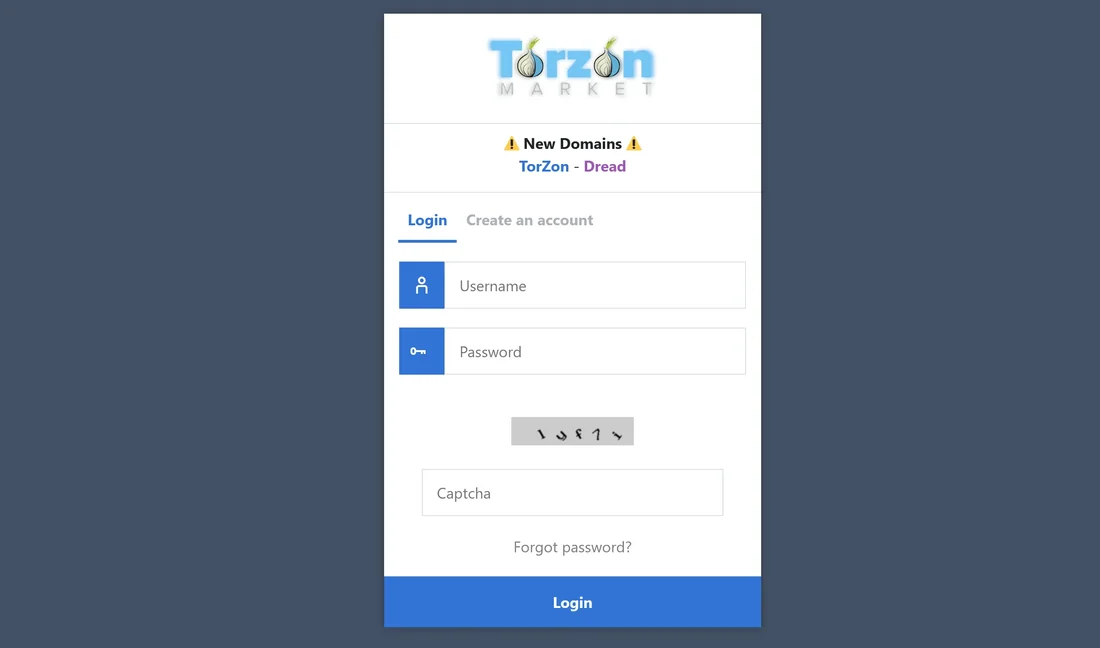
If a captcha-or-login screen renders at all, the Tor Browser handshake to the onion address worked. From that point the prompt belongs to the remote service: captcha-image errors, "Forgot password?" links, and account messages are not TorzonWatchers events. We surface these screenshots only so first-time readers can recognize a normal post-handshake gate and stop blaming Tor Browser for a remote login form.
Check you are not on a fake look-alike
Compare the onion address you pasted character by character to the verified hub table. Scam pages often change two letters in the middle of a v3 hostname where eyes skim.
If a friend sent a screenshot, ignore the image and copy from the verified hub instead. Screenshots are easy to edit.
After an onion site loads
Bookmark the exact hostname that worked, not this clearnet help page. When the operator rotates mirrors, your bookmark may die — check the changelog and refresh from the hub.
Bridges in restrictive countries
If Tor never connects on your ISP, open Settings → Connection → Bridges in Tor Browser and select an obfs4 bridge. Request bridges from the Tor Project if built-ins fail. Bridges are not a VPN replacement — they are how Tor reaches the network so you can resolve an onion hostname when direct entry nodes are blocked.
Desktop vs Android Tor Browser
Android Tor Browser uses the same paste workflow as desktop. Typos are more common on phones. Zoom the address bar after paste and verify the full 56-character v3 onion body before Enter.
New Identity without panic
New Identity in Tor Browser closes circuits and gives you a fresh path. Use it when one site is slow but others work. It is not required on every visit. Overusing it slows everything down again.
Do not import random "security" extensions into Tor Browser
Extensions that modify TLS, inject ads, or "accelerate" Tor often break hidden services. Stock Tor Browser plus updated builds is the baseline recommendation from the Tor Project. Step-by-step connection help also appears in the Tor Browser User Manual.
Full-screen mode and letterboxing
Some laptops hide the last characters of the address bar in fullscreen mode. Exit fullscreen before paste so you can see the .onion suffix.
If the verified hub lists two mirrors
Try the primary row first. If it times out once, wait two minutes, then paste the secondary row from the hub table. Switching mirrors five times per minute triggers rate limits on the remote side and looks like an attack.
Windows path quirks for Tor Browser
Installing Tor Browser under paths with non-Latin characters occasionally breaks the bundled launcher on older Windows builds. Install under C:\Users\...\Desktop with ASCII-only folders if launches fail immediately.
Educational scope of this guide
How to Open Onion Links in Tor Browser is a research and educational walkthrough. The TorzonWatchers project does not endorse any third-party service, does not host payment infrastructure, and does not publish vendor recommendations. The single concrete instruction here is "use only verified hub rows, paste once, and stop on any mismatch."